Work From Home As A Travel Agent Complete Guide Make Money Today!
Love To Travel? Need Extra Income? This Is It, Complete Step By Step Guide To Working From Home As A Travel Agent And Earning Money Today! Exact Steps You Need To Take To Sell Travel On Line, Working From The Comfort Of Your Own Home!
THROUGH THE EYES OF A TRAVELER
Ebooks On Mind Travel. Get your copy now. It is awesome!!!

Thursday, May 8, 2014

MALDIVES : I Just Want My Dream Comes True

Hi everyone. Again and again.... I have created new imagination and dream to visit MALDIVES for the very first time!. Yes...I rally want to go there!. I did few research then and I found this!. EXPLORE HERE FOR MORE. This is specifically for those are labelled as budget traveller


While many independent travelers dismiss the Maldives as too expensive or as a luxury tourist trap, we’re going to blow these misconceptions out of the water (no pun intended).
Now you can have an interesting, real cultural adventure in the exotic Maldives islands for a fraction of resort prices.
This is no typical beach bum holiday – unless of course you want it to be!
How is this possible? How did a couple of travelers on a budget get to experience this island retreat? It started with a bit of research, a bit more bravery and leaving decisions to the last minute.
But you don’t need to follow in those exact footsteps – we’ve done the hard work for you and will share our experience with you. We’ve even got some tips to discover the real Maldives easily and without spending the typical $200/night on a hotel room.
Discovering the Real Maldives
In the middle of the Indian Ocean, surrounded by blue-green lagoons, decorated with tiny islands here and there, we found ourselves in the Maldives. Frequented by wealthy resort-goers and famous people like David Beckham and Michael Phelps, it’s not the obvious destination for adventure or cultural travel experiences.

maldives aerial view
Maldives from Above: Local Flights within the Maldives have an Amazing View of the Lagoons and Islands
In recent years, though, some political changes have opened up a whole new area of accommodation options. Not the water bungalows that Maldives images often portray, but local island hideaways, among Maldivian people with comparably stunning surroundings.
This is where we ended up when we took advantage of a flight deal to go on a long-awaited holiday from the desk job day-to-day in the UK. What we didn’t know was that we had landed right smack in the beginning of a tourism trend. When we realized this, a lightbulb flashed and a wave was set in motion that would carry us to a whole new life, just 2 years later (almost to the day) when travel would become our lifestyle.
But that’s getting ahead of ourselves. Our discovery began in the Maldives capital airport, in Male. Stepping out into the arrivals area you can already see the ocean and feel the heat – a great island welcome.
No matter where you go, you’re reminded that you’re in the islands. The airport is on a neighbouring island to the capital city, Male, also an island which is small enough that you’re never more than a few minutes from the sea.
Just a couple of bucks got us to Male by ferry, than another couple for the local ferry to Guraidhoo – the island where our guesthouse awaited. We’d been recommended this guesthouse by the airport info desk as we had taken the risk and hadn’t booked in advance.
*Note: This is not recommended as immigration can be sticklers – requiring the name of your hotel and proof of a return flight ticket. Best to book in advance if you can.

maldives airport
View from Male Airport Arrivals area - the blue sea awaits!

Local Island Living in the Maldives
We passed a couple hours on the ferry, the only foreigners, and stared out into the watery horizon from which seemed to appear islands almost out of nowhere. It started to hit us – just how secluded and expansive this island nation really is. And how beautiful.

We arrived on Guraidhoo and were greeted by a smiling little man we would come to know as Handu. He was the local island guide for tourists visiting the island and the relative of our guesthouse owners.
We began to realize that in these isolated communities, everyone basically knows each other or is related, so almost anyone can help you find what you want – for a price of course. That is the thing with Guraidhoo, it’s set up for tourists with a “Main Street” (a short stretch of unpaved road) lined with souvenir shops, since this was a stop for resort tourists on their excursions.
This makes Guraidhoo different to other islands – a bit more tourist-oriented. We would later find out that this is not a typical village and while it is a nice place to stay for the cheaper guesthouses, we saw that there are even quieter local islands to discover.
“We stared out into the watery horizon, from which seemed to appear islands almost out of nowhere. It started to hit us – just how secluded and expansive this island nation really is.”
We were so excited to be there and to have scored a great deal on accommodation. We were happy with our ensuite room (all guesthouses in the Maldives have ensuite bathrooms) in a small apartment with living area and balcony. And we hadn’t even gone on any excursions yet.
When we stepped onto beach islands where we were THE ONLY PEOPLE there it really started to feel like something special. We hired a dhoni (traditional boat) and our driver, a local fisherman, took us on trips to sandbank islands, snorkelling, to deserted and resort islands – we even fished with him and saw dolphins randomly on the way back in the evening.
These excursions made up most of our days, as the island we were on didn’t have bikini beaches- though some local islands have private beaches. Most days we went off the island and the evenings were quiet and peaceful.
We hadn’t done much diving or surfing prior to that trip but the Maldives is well-known as a dive, surf and water adventure sport destination. Liveaboards have long been around taking avid divers around the countless Maldives dive spots. Guesthouses can arrange excursions as well, that’s how we planned ours, or they can come as part of the room rate package.
maldives dhoni jetty
Our dhoni (left) pulls away from the jetty leaving us on the beach island for the day!

Let Me Upgrade You: The Secret to Cheap Stays in the Maldives
Much like getting a free upgrade to a superior room at a hotel or first class in an airplane, we constantly had a sense of value and felt like we were getting a deal, like we were “special” somehow. Paying less than resort tourists but surrounded by the same beauty, it’s the feeling we hope to pass on to readers.

So without further ado, and you may have already guessed it, the main secret to a traveler’s experience (not a holiday maker) in the Maldives is: Guesthouse accommodation.
Guesthouses? In the luxury Maldives? Why have I not heard of this?
Well it’s only since 2009 that foreigners have been permitted to stay on local islands. No longer limited to resorts, privately owned islands, tourists can now stay among the local population. Guesthouses have been popping up ever since, but the numbers remain small compared to resorts.
When we returned to the Maldives some time later, we got to see some of the range of guesthouses there are out there. Genuinely, we were floored to see the quality and comfort offered at these local places. From an Eco-lodge in the northern islands run by a lovely, enterprising Maldivian couple, to a modern hideaway in the village of Omadhoo with welcoming hosts. We felt we just had to share these places for others to experience them. This is howGuesthouses-in-Maldives.com was born.
During our first trip we paid 80/night room only for a double room and we ate at the local restaurants – there are a few on Guraidhoo. Once we learned more we found the best way to get value is to book a package including activities and meals.
maldives guesthouse
A cozy guest house where you can relax on local islands in the Maldives

Here are a few more tips to getting the most value out of a stay on a local island:
5 Top Tips to Pack in Value & Immerse Yourself in Maldives Local Life
1. Have afternoon tea.
Well it might not be the fancy afternoon tea you get in the UK, but there are sweets and tea the Maldivian way.  In the late afternoon you can kick back at a simple cafe where you’ll be surrounded by locals, just one part of the laid back way of life.
2. Attend local events.
Even in the remotest corners of the earth schools hold fundraisers and people gather around to let the music move them.  We were on Hanimadhoo Island when they had a school event and I think they were as interested to see us there as we were to see them.  The children were divided into teams and each group had a station set up to sell different snacks or goodies.  We went around and bought something at each one.  There was music and we wore the badges some of the teams were giving out… it was a cool experience to be part of the community. In the evenings the local band practiced, which not only added to the island atmosphere, but could be a chance to join in on the dancing and merriment.
3. Just ask.
Don’t be afraid to ask questions,  why something is the way it is, in a polite way of course.  Showing interest can make the locals realize you’re there to understand, not just to take photos.
On Guraidhoo the tsunami destroyed many buildings and funds were given to rebuild them, so the island you see now is not the island it has always been.  Every island has its culture and its story to be told; each local island we visited in the Maldives was very different in its atmosphere.
4. Seek Out Culture.
On the culture note, ask about historical or cultural spots to visit around your guest house region.  We had a private tour of Utheemu Palace in the north of the Maldives, which was unique.  If you don’t ask it might be assumed you want to stick to the usual tourist activities.
5. Know what you’re getting into.
The local islands of the Maldives are unlike the resort islands in a few ways that you may not be used to.  Local islands have beaches – but not all of them have private beaches where foreigners can swim in their usual swimwear (bikinis, etc).  In addition, alcohol is not permitted for sale on local islands so any guest house “bar” will be serving cool refreshing juice and mocktails.
But before you dismiss this as a reason not to go – remember that almost all stays are booked as packages so you’ll have excursions to deserted islands and resort islands that have the more traditional beach holiday feel.  Also, many guest houses are enclosed giving private space to guests where they can tan and relax with their toes in the sand, right inside the guest house. There are tons of options.
maldives food
A little different than the British set but Maldivian afternoon tea has its own tasty treats

So there you have it – your ticket to visiting the Maldives even if you’re not featured in People Magazine this month.  And speaking of tickets, one last item on budgeting to go to the islands of the Maldives – the flight conundrum.  It’s not the staying in the Maldives that’s the costly part, it’s getting there.  How to get around this?
Several tips:
1. Use Skyscanner.net to find the cheapest flights.  Fortunately Maldives weather holds up year round (search “whole year” instead of a specific date if you’re flexible).
2. Make the Maldives an add-on to another trip and fly from Sri Lanka or India.
3. Go in the off season. Even though the weather stays good in the Maldives all year, it’s the increased traffic from more northern countries with cold winters that makes November to April the pricier season.  Try booking at the beginning or end of that period or outside it all together.

Once the flight prices are figured out you’re basically there!  Grab your sunscreen, swimsuit and snorkel mask – you’ll be dipping your toes in in no time.  Check out the different locations of the many guesthouses to pick your favorite.
We genuinely hope more travelers will get to experience the real Maldives, like we did!

Friday, May 2, 2014

Kathmandu : My Next Visit Plan

I got stumbled upon reading this beautiful and comprehensive blog! CUSH TRAVEL BLOG and I believe many people will like all the writings. As I in the middle of planning my trip to Khatmandu end of this year. I would love to share this articles with you guys. They have been posted in sequence and I will re-post all the Khatmandu thingy in this blog. I really hope, you don't mind Cush :)
KHATMANDU: Ways Of Getting To Khatmandu
Kathmandu is a magical city in Nepal that is stacked with ancient sites and temples. Located in Kathmandu Valley, the central figure of this enchanting city is the ancient Kasthamandap or Wooden House within Durbar Square, which has been in use by Kathmandu residents and worshippers since 1000 AD. There are a number of UNESCO World Heritage Sites in Nepal, including this famous square. There are no modern facilities here; tourists come for the ancestry, magic and mysticism. Getting to Kathmandu may be done by plane or on land. No matter how one does it, it is about time to know how to get to Kathmandu.
Getting to Kathmandu

Tribhuvan International Airport in Kathmandu – Nepal
Getting to Kathmandu by air involves a number of flights from Asia and Europe but not from North America. The Royal Nepal Airlines, official carrier of Nepal, travel regularly from London and Paris, passing through Dubai in the Middle East. Lufthansa also travels direct from Frankfurt to Kathmandu. Other airlines that fly from Europe to Nepal are PakistanInternational Airlines, Bangladesh Biman and Aeroflot, with a layover at Karachi, Dhaka or Moscow. There are also direct flights from Bangladesh and Bhutan on board Druk Air.
From Asia, flights to the capital city of Nepal come from Bangkok, Hong Kong and Singapore. Thai Airways from Bangkok to Kathmandu is always almost full since this is a major religious and cultural destination. There are also several flights from India, and they are also always fully booked with Indian tourists. Indian Airlines and Royal Nepal Airlines travel to Kathmandu from Delhi, Bombay, Calcutta, Patna and Varansi.
North America to Nepal through Asia is the best way to get to Kathmandu for most American tourists, but not through India. Indian flights are much more expensive and the ways Indian airlines operate are very chaotic, most especially for Western tourists. Delhi is only an hour-flight away to Kathmandu, though. Australian travelers also take the Asian route, typically through Singapore, Hong Kong and Bangkok (which by the way are home to some of the most modern and gorgeous airports in the world). Flying from Australia to London is a bit expensive and will take a longer time.
Where is Kathmandu exactly? Kathmandu is the urban core of Kathmandu Valley in the Himalayas. It is 1,400 meters about sea level and with coordinates 27°42’N, 85°20’E. Nepal is a landlocked country between India and China to the north.
Getting to Kathmandu by land from India is possible from a number of Indian cities, which are Patna, Gorakhpur and Lucknow. Nepali buses regularly service these routes, but these local buses are known to be the slowest and in the poorest conditions in all of South Asia. They also travel to and from Tibet. The central bus station is found at the northern part of the city on Ring Road, Balaju. The bus terminal is huge and very confusing even to locals. Buses travel long distances to several destinations around the country. Backpackers make their way to Kathmandu on other routes either by car or on foot. Getting to Kathmandu may not be the most comfortable travel experience, but visiting this enchanting city is definitely worth it

Wednesday, April 30, 2014

INTERMISSION!!! - Reverse Your Diabetes Today

Hi Everyone.....

Just a quick ones, diabetes becomes so viral nowadays, Oh yes in fact diabetes established for a long time. We just refuse to realize how bad it is if we fail to contain our daily habits etc. Let's workout together. I found this comprehensive PLUS big discount on how we can reverse our diabetes.Check it out by clicking the picture below. Just give a try friends....

SAY NO TO DIABETES!!!!

Happy Watching Guys!!!

Tuesday, April 29, 2014

South Korea Here I Come This Summer!!!

Hiiii Everyone....

Yes!!!, I am impatiently can't wait for my summer trip to South Korea!. Never crossed in my mind to get to Korea but everything changed when my youngest sister got a chance to follow this so-called exchange student program and I get so excited to pay her visit this coming summer. Yessss...less than two months now!. I will be flying off via new KLIA 2. So, I thoroughly studied about South Korea until I got stumbled upon this article. It is all about South Korea! Thanks Tommy for such comprehensive writings!

Comprehensive Seoul Travel Guide – 15 Must Visit Seoul Attractions by TommyOoi.com. Check out Sightseeing Places to visit in Seoul.

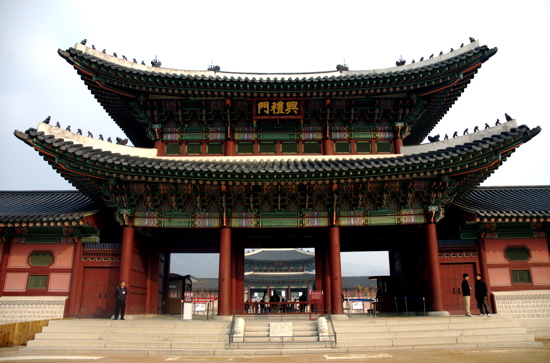
1. Gyeongbokgung

Gyeongbokgung Palace arguably the most beautiful and remains the grandest of all five palaces is also called “Northern Palace” because it is the furthest north when compared to the neighboring palaces of Changdeokgung (Eastern Palace) and Gyeongheegung (Western Palace).
The name of the palace, Gyeongbokgung, translates in English as “Palace of Shining Happiness.” The premises were destroyed by fire at the time of Japanese occupation from 1592-1598. However, all of the palace’s 7,700 rooms were later restored under the leadership of Heungseondaewongun during the reign of King Gojong.
The National Palace Museum of Korea is located south of Heungnyemun Gate, and the National Folk Museum is located east within Hyangwonjeong.

Admission Fees

Adults (ages 19-64) 3,000 won / Group 2,400 won (10 or more people)
Youths (ages 7-18) 1,500 won / Group 1,200 won (10 or more people)
Age 6 and under – FREE.

Opening Hours

March to October 09:00-18:00 / November to February 09:00-17:00.
Closed on Tuesday

Getting there

By Subway
Exit 5 – Gyeongbokgung Station Line 3

2. Myeongdong

It is all about fashion, fashion & fashion in Myeongdong, Seoul’s primary & most famous shopping district. If it’s variety that you’re after, there’s no better place to shop than Myeong-dong where you’ll find everything from internationally-recognized name brands to unique items.
Myeongdong also houses a variety of family restaurants, fast food, plus Korean, Western and Japanese dining options. Many restaurants in Myeongdong specialize in pork cutlet (donkas) and kalguksu (thick noodles).
Not to forget, Myeongdong is the place where everyone shops for famous Korean Cosmetic brands such as Etude House, Skin Food, Laneige, The Face Shop, Missha!

Opening Hours

10am to 10pm everyday

Getting there

By Subway
Exit 5, 6, 7, or 8 – Myeongdong Station Line 4
Read My Blog Post : Myeongdong

3. N Seoul Tower

N Seoul Tower located on Mt. Namsan offers great panoramic views of the city, and has been a symbol of Seoul since it first opened to the public in 1980.
Not only the tower was recently undergone a major remodeling, but also a new name following a complete makeover. It is now a true cultural space with various performances, movies, exhibitions as well as upscale restaurants and snack bars.

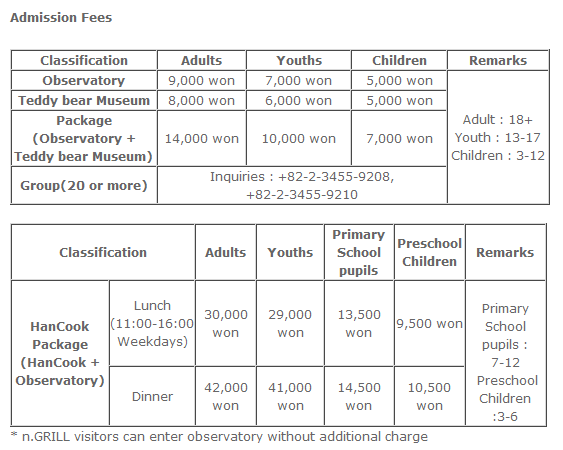
Admission Fees

Opening Hours

Sunday-Thursday
Observatory: 10:00-23:00
Restaurant: 11:00-23:00
Teddy Bear Museum: 10:00-22:00 (Last entry: 21:00)
Friday-Saturday
Observatory: 10:00-24:00
Restaurants (n.GRILL/Hancook): 11:00-23:00
The place dining: 11:00-24:00 (Last seating: 23:00)
Teddy Bear Museum: 10:00-22:00

Getting there

By Subway & Bus
Exit 2 – Chungmuro Station Line 3 or 4. Then take Bus 2 (08:00-24:00/5min intervals) or Bus 5 (07:30-23:50/15min intervals) to N Seoul Tower.
Exit 4 – Itaewon Station Line 6. Then take Bus 3 (08:00-23:00/10min intervals) to N Seoul Tower.
By Subway & Cable Car
Exit 3 – Myeongdong Station Line 4. Take the wide road next to 7 Eleven convenience store, then walk straight to the left of Pacific Hotel & keep walking up in the direction of Mt. Namsan where the cable car platform is situated.
Fare: Round-trip – 6,300 won / One-way – 4,800 won
Cable Car Opening Hours: 10:00~22:30

4. Dongdaemun

Dongdaemun is Korea’s largest wholesale and retail shopping district has 26 shopping malls, 30,000 specialty shops, and 50,000 manufacturers. Opening from 10:30 a.m. to 5:00 a.m. except Monday & some public holidays, you can literally shop all night !!
The fabric and clothing here are of the latest fashion trends in the world. Inventory is imported and exported in real time, making Dongdaemun a must-visit for fashion enthusiastic.

Opening Hours

Tuesday to Saturday – 10.30am to 5.00am
Sunday – 10.30am to 11.00pm
Closed on Monday & some public holidays.

Getting there

By Subway
Exit 8 or 9 - Dongdaemun Station Line 1 or Line 4

5. Cheong Wa Dae

Cheongwadae is the executive office and official residence of the President of the Republic of Korea. The Korean name literally translates to “pavilion of blue tiles.”
The signature markings of the Presidential Residence of Cheong Wa Dae are its blue tiles. It is the first thing that catched one’s attention upon entering the premises. The blue tiles and the smooth roof blend beautifully with Mt. Bugaksan in the backdrop.
The unique buildings Cheong Wa Dae are comprised of the Main Office, Yeongbingwan (Guest House), Chunchugwan (Spring and Autumn Pavilion), Nokjiwon (Green grass), the Mugunghwa (Rose of Sharon) Valley, and the Seven Palaces.
There is also a weekly Military Drill Demonstration & Parade by the honor guards every Saturday 10am.

Opening Hours

Tours start at 10:00, 11:00, 14:00, and 15:00
Summer season (Jul. 1-Sep. 16): 10:00, 11:00, 15:00, 16:00
Closed on Sunday, Monday & Holidays.
** Reservation must be made by email minimum 10 days earlier. Please bring your Passport & ID card. Time may change, please check the official website.
More info of the tour : Cheong Wa Dae Official Site

Getting there

By Subway
Exit 5 -  Gyeongbokgung Palace Station Line 3. Walk 10 minutes.

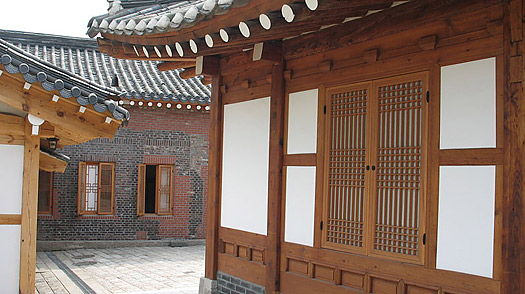
6. Bukchon Hanok Village

Situated between by two palaces, Gyeongbokgung to the west and Changdeokgung to the east, this village has the largest cluster of privately owned traditional Korean wooden homes or hanok in Seoul.
The Bukchon area is a traditional residential area in Seoul that boasts 600 years of history. Its location reflects the views of neo-Confucianism, regarding the world and nature, during the Joseon Dynasty.
Hanok architecture places great emphasis on the topographical features of the land on which it is built. Structural arrangements, layouts, and other spatial aesthetics are major concerns here, as are the styles of the buildings themselves.

Opening Hours for Bukchon Traditional Culture Center

Mon~Fri (9:00 ~ 18:00)
Sat~Sun (9:00 ~ 17:00)

Getting there

By Subway
Exit 2 – Anguk Station Line 3. Walk straight for about 300m.

7. Changdeokgung

Changdeokgung Palace was the second royal villa built following the construction of Gyeongbukgung Palace in 1405. The buildings have remained largely intact over six centuries and served as a backdrop for the last chapters of the Joseon period (1392-1910).
Korea’s last emperor Sunjong passed away on these grounds in 1926, and it’s commonly known that members of royal descendants lived in Nakseonjae, a cluster of unpainted palace buildings well into the late ‘80s.
The palace had a great influence on the development of Korean architecture, garden and landscape planning, and related arts, for many centuries. It reflects sophisticated architectural values, harmonized with beautiful surroundings.

Admission Fees

Regular Tour (Changdeokgung Palace)
Individuals: Adults (ages 19-64) 3,000 won/Children (ages 7-18) 1,500 won
Groups (10 or more people): Adults 2,400 won/Children 1,200 won
Huwon Tour (Secret Garden area)
Adults (ages 19 and over) 5,000 won/Children (ages 7-18) 2,500 won

Opening Hours for Bukchon Traditional Culture Center

Regular Tour (Changdeokgung Palace)
April–October: 09:00-18:30 / March & November: 09:00-17:30 / December–February: 09:00-17:00
Huwon Course (Guided Tour only)
April–October: 09:00-16:30 / March & November: 09:00-15:30 / December–February: 09:00-15:00

Getting there

By Subway
Exit 3 – Anguk Station Line 3. Walk straight for 5min.
OR
Exit 7 – Jongno 3(sam)-ga Station Line 1, 3 or 5. Go straight along Donhwamun-ro Street for 10min.
Read My Blog Post : Changdeokgong

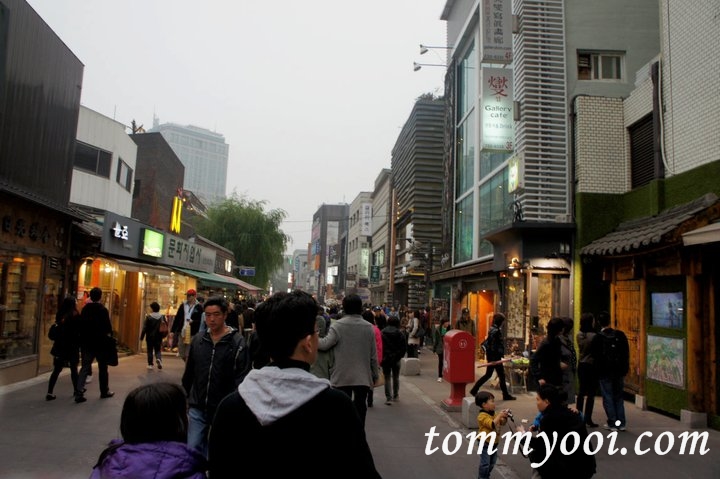
8. Insadong

One of the most memorable Seoul attractions and represents the focal point of Korean traditional culture and crafts. Stores in Insa-dong specialize in a wide variety of goods that can only be purchased or appreciated in Korea: hanbok (traditional clothing), hanji (traditional paper), traditional teas, pottery, and folk crafts.
There are about 100 galleries in the area and you can see every example of traditional Korean fine art from paintings to sculptures. The teahouses and restaurants are the perfect compliment to the galleries.
Every Sunday from 10:00 – 22:00, some streets are blocked off from traffic and it becomes a cultural space. Stores set up booths outside and others set up shop (Korean candy merchants and fortune tellers.) There are traditional performances and exhibits as well.

Getting there

By Subway
Exit 6 – Anguk Station Line 3. Walk straight 100m & turn left.
Exit 3 – Jonggak Station Line 1. Walk 300m straight, turn left. then 100m straight & veer left into Insa-dong alleyway.
Read My Blog Post : Insadong

9. Hongdae

The area surrounding Hongdae as it’s affectionately called, is the center of Korea’s youthful nightlife. Many of Seoul’s idiosyncratic clubs that draw the younger set are clustered in the area.
With Hongik University nearby, a prestigious school known for its leading arts and design programs, the area attracts students and visitors alike to shop & club. The highest concentration of clothing stalls and vintage shops can be found along the main passageway, Eo Ulmadang-gil, minutes away from the subway station.
And if you are a Hello Kitty Fan, there is more reasons for you to enjoy Hongdae as there is a Hello Kitty Cafe nearby the subway station where you can sip Hello Kitty Latte & indulge in Hello Kitty cakes & pastry. Definitely a must visit for Hello Kitty fans !!
For more Hello Kitty Cafe photos : Hello Kitty Cafe

Opening Hours

Every evening till late night

Getting there

By Subway
Exit 6 – Hongik Univ. Station Line 2
Read My Blog Post : Hello Kity Cafe Seoul

10. Itaewon

Itaewon is choc-a-block with trendy bars, clubs, restaurants and shops selling everything from reproduction Korean furniture and tailored suits to jewelry and Korean pottery.
Seoul even designated Itaewon as its first ‘Special Tourism District,’ to highlight it as a destination for internationals to enjoy a diversity of culture, shopping, and entertainment experiences.
Every foreigner who comes to Seoul gravitates to this gritty expat-friendly neighborhood near the main U.S. Army base.

Opening Hours

Daily 10am to late at night

Getting there

By Subway
Exit 1 -  Itaewon Station Line 6

11. Jongmyo Shrine

Jongmyo is the term used for a place where memorial services are performed for deceased kings, and Sajik is the term for a place where services for the Gods of Earth and Crops are performed.
The Shrine is the oldest and most authentic of the Confucian royal shrines to have been preserved. Dedicated to the forefathers of the Joseon dynasty (1392–1910), the shrine has existed in its present form since the 16th century and houses tablets bearing the teachings of members of the former royal family.
Ritual ceremonies linking music, song and dance still take place there, perpetuating a tradition that goes back to the 14th century. It enshrines the memorial tablets of greatly honored kings and their queens, today containing 19 memorial tablets of kings and 30 tablets of their queens in 19 spirit chambers.

Admission Fees

Adults (ages 19 and over): KRW 1,000
Youths (ages 7-18): KRW 500
No group discounts. Free admission for children (ages 6 and under)

Opening Hours

Guided Tours
Korean – 9 times a day / 09:20 – 16:20 (every hour), 17:00 (Mar. to Sep. only)
English – 10:00, 12:00, 14:00, 16:00
Japanese – 09:00, 09:40, 10:40, 11:40, 12:40, 13:40, 14:40, 15:40, 16:40 (Mar. to Sep. only)
Chinese – 11:00, 15:00

Getting there

By Subway

Exit 11 – Jongno 3 (sam)-ga Station Line 1.Walk for 7 mins from station.
Exit 8 – Jongno 3 (sam)-ga Station Line 3 or 5. Walk for 7 mins from station.

12. Namiseom Island ( Winter Sonata )

For Korean Drama lovers, Nami Island is a place which does not requires further introduction as this is the birth place of all the Korean Craze. This is one of the place where the famous international Korean Drama Winter Sonata was filmed. Hence to put it short, it is a must visit for all Asian tourists!
Namiseom Island was formed as a result of the construction of the Cheongpyeong Dam. It is a half moon shaped (462,809㎡) isle, and on it is the grave of General Nami, who led a great victory against the rebels in the 13th year of the 7th king of the Joseon Dynasty, King Sejo (reign 1455 ~ 1468).

Admission Fees

Adults : 8,000 won
Children (ages 3-13) : 4,000 won
Visitors coming after 18:00 (Dec – Mar), after 19:00 (Apr – Nov) : 4,000 won
※ Round-trip ferry fare & tax included

Opening Hours

Daily 7:30am to 9:30pm

Getting there

By Subway + Train + Taxi
Exit Sangbong Station Line 7. Transfer to Gyeongchun Line Train to Gapyeong Station. Take a taxi to Gapyeong Wharf (Just say Nami Island to Driver will do. Taxi cost KRW3,000 to KRW4,000 per way)
For More Info : Namiseom Official Website

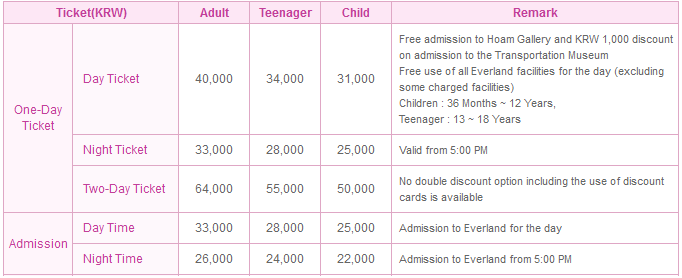
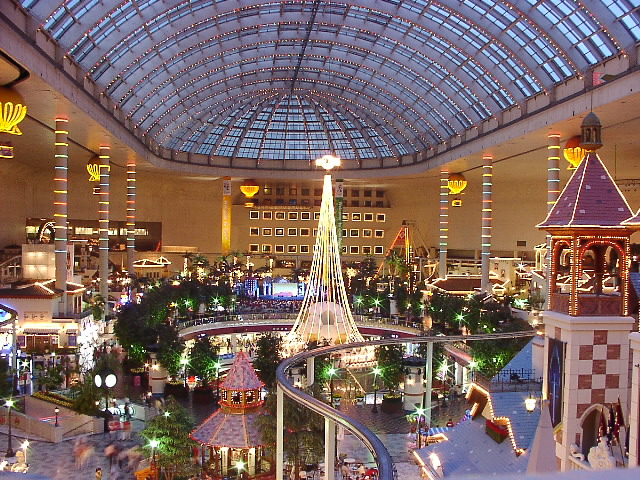
13. Everland

Operated by Samsung Group, Everland is South Korea’s largest theme park at 100 hectares. With 8.6 million visitors, it is ranked as the 4th most visited theme park in the world by offering 5 main Festivals and exciting entertainments all year around.
The park is home to over 40 heart-pounding rides and attractions. In addition to ‘Safari World’ featuring white tigers, tigers, lions and bears, ‘Herbivore Safari’ opened in April 2010, letting visitors get up close and personal with the safari’s giraffes, elephants, and ostriches.
Everland is also known for its gorgeous flower arrangements and beautiful gardens, which have been year-round fixtures since the Rose Festival in 1985.

Admission Fees

Opening Hours

Sunday to Friday – 10am to 6pm
Saturday & Public Holidays – 10am to 7pm

Getting there

By Subway & Bus
1. Exit 10 – Gangnam Station Line 2. Take bus 5002 to Everland. (Travel time: 50 min)
2. Exit 1 – Gangbyeon Station Line 2. Take bus 5800 to Everland. (Travel time: 50min)
3. Exit 2 or 3 – Sadang Station Lines 2 & 4. Take bus 1500-2 to Everland. (Travel time: 80 min)
For More Info : Everland Official Website

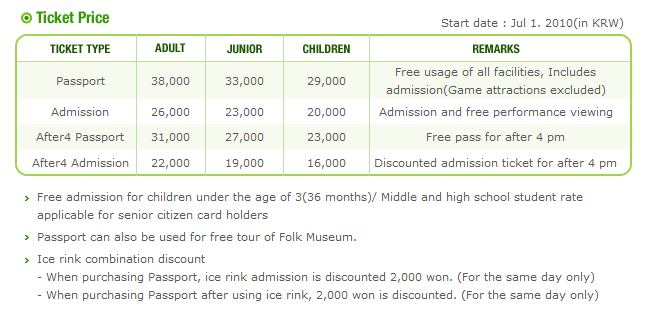
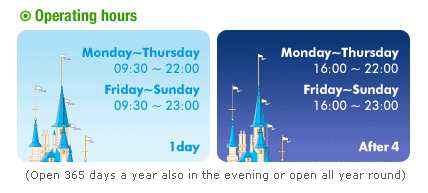
14. Lotte World

Lotte World consists of the world’s largest indoor theme park (a Guinness World Record) which is open all year around, an outdoor amusement park called “Magic Island”, an artificial island inside a lake linked by monorail, shopping malls, a luxury hotel, a Korean folk museum, sports facilities, and movie theaters all in one place.
Opened on July 12, 1989, Lotte World a major theme park complex in Seoul, South Korea, receives over 8 million visitors each year and is considered along with Tokyo Disney Resort as one of the world-class theme parks in Asia.
One of the major reasons tourists are attracted to Lotte World is the amusement rides. The Gyro Drop and Gyro Swing are the top pleasers– a steep drop with an altitude of 70 meters, or taste the thrilling sensation of being inside a tornado.
The Flume Ride is a long boat with a high-altitude wave, and the Spanish Pirate Ship swings at an electrifying 75 degrees. Besides the excitement of these rides, Lotte World also contains a variety of parades and laser shows.

Admission Fees

Opening Hours

Getting there

By Subway

15. Seoraksan (Mount Seorak)

Mount Seorakan
Seoraksan is the highest mountain in the Taebaek mountain range in the Gangwon province in eastern South Korea. It is located in a national park near the city of Sokcho. After the Hallasan volcano on Jeju Island and Jirisan in the south, Seoraksan is the third highest mountain in South Korea.
The Daechongbong Peak of Seoraksan reaches 1,708 metres (5,603 feet). The Taebaek mountain chain is often considered the backbone of the Korean peninsula.

Admission Fees

Free for the National Park
Camping (peak season /off season)
Adults (ages 19 and over) – 2,000 won / 1,600 won
Youth (ages 13- 18) – 1,500 won / 1,200 won
Children (ages under 13) – 1,000 won /800 won
Auto camping (peak season /off season)
Small cars – 11,000 won / 9,000 won
Large cars – 17,000 won / 14,000 won

Getting there

By Bus
1. Take intercity bus from Dong Seoul Bus Terminal (Gangbyeon Station Line 2) to Sokcho every 30 minutes.From Sokcho or Sokcho Express Bus Terminal, take city bus No. 7 or 7-1 and get off at the entrance of Mt. Seoraksan (30 minute ride).
2. From Sokcho Intercity Bus Terminal, taxi takes 15-20 minute to the entrance of Mt. Seoraksan.